Product Education
The Antibacterial Yellow Tip: How SafeHandle's Tip Adds a Second Layer
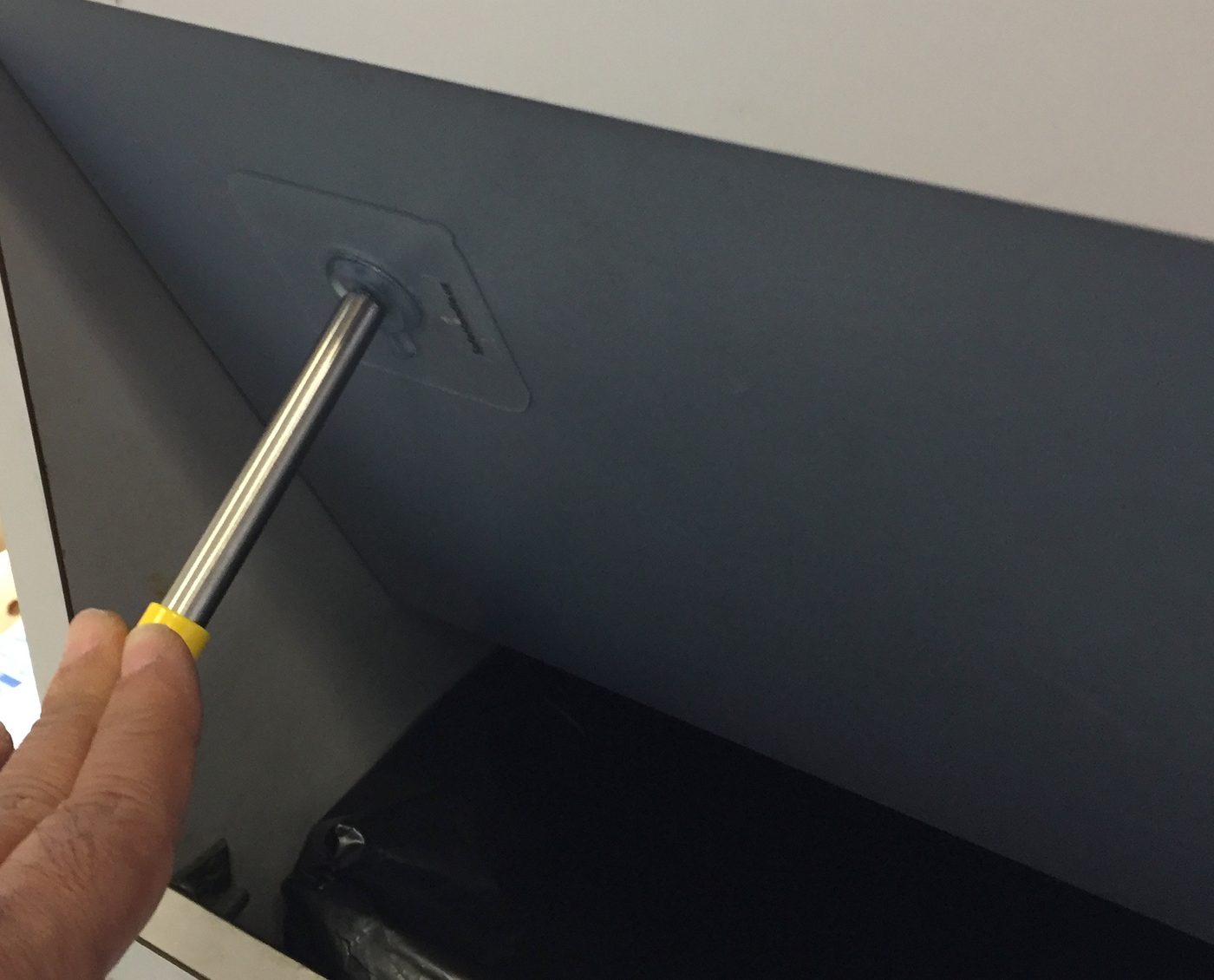
The yellow tip on every SafeHandle isn't decorative. It's the active hygiene element of the product. Here's what it actually does, what it doesn't do, and why we made the design choice we did.
What "antibacterial" means in this context
The yellow plastic tip of the SafeHandle is treated with an antibacterial additive — a class of compounds that, when incorporated into the plastic during manufacturing, continuously suppresses bacterial growth on the surface. The most common version of this is silver-ion-based antibacterial treatment, which has been used in medical equipment, food-service equipment, and consumer products for decades.
Silver ions disrupt bacterial cell walls and metabolic processes. Bacteria that land on a silver-treated surface die at a measurable rate over hours rather than thriving and multiplying as they do on untreated plastic.
This is different from a disinfectant spray (which kills bacteria on contact and then evaporates). The treatment is built into the plastic and doesn't wear off — it works continuously for the lifetime of the product.
What that does for the user
Several things, but it's important to be precise about what they are and aren't.
The handle itself stays cleaner. Bacteria that land on the yellow tip from contaminated hands die or fail to multiply, rather than accumulating. Over weeks of use, the antibacterial-treated tip carries a much lower bacterial load than an untreated surface would.
Cross-contamination from the handle to the next user is reduced. If the handle has fewer live bacteria, the next person to push it picks up fewer bacteria. This matters in shared environments — restaurants, offices, schools — where many different hands push the same handle.
The handle doesn't develop odor or biofilm. Bacterial growth is what causes plastic surfaces to develop a slimy feel and a faint odor over time. The antibacterial treatment prevents that surface degradation.
What it doesn't do
There are honest limits worth being clear about.
It doesn't eliminate the need for hand washing. Even with the antibacterial tip, the surface accumulates some bacteria, and your hand still picks up some bacteria when you touch it. Hand washing before eating, after using the bathroom, and after handling raw food remains essential. SafeHandle reduces one specific contamination source — it doesn't replace general hygiene practices.
It doesn't kill viruses. Most antibacterial agents target bacterial cell walls and metabolic processes that viruses don't have. The yellow tip is good against bacteria; it has minimal effect on viruses like norovirus or influenza. For viral hygiene, hand washing and surface disinfection still matter.
It doesn't sterilize. No surface in normal use is sterile, and the antibacterial treatment isn't intended to be. It reduces bacterial load by a meaningful amount; it doesn't eliminate it entirely.
It doesn't replace the bigger benefit. The primary hygiene benefit of SafeHandle isn't the antibacterial treatment — it's the fact that you're not touching the trash lid at all. The lid is what carries the heavy bacterial load. The yellow tip is a secondary layer of protection on top of the primary intervention of contact avoidance.
Why we made the tip yellow
Two reasons.
First, visibility. A bright yellow tip stands out against typical trash can lids (which are usually black, dark gray, or dark plastic). For first-time users, especially in commercial settings where the SafeHandle has to be self-explanatory, the yellow tip is unmistakable as "the part to push."
Second, hygiene signaling. The yellow color carries an association with hygiene products, caution, and "active" elements. It's the same color family used on safety equipment, hazmat equipment, and many medical-grade products. Customers reading the SafeHandle visually correctly assume the yellow tip is the functional, hygienic element.
Earlier prototypes used green tips, which tested less well — customers were less sure what the green part was for. Yellow tested as the most intuitive and was adopted as the standard.
The honest summary
The antibacterial yellow tip is a real, measurable feature that does what we say it does. It's also a secondary layer of protection on top of the primary value of SafeHandle, which is "you don't touch the trash lid at all." The bigger hygiene win is from contact avoidance; the smaller hygiene win is from the antibacterial treatment.
We don't market it as a replacement for hand hygiene because it isn't. We market it as a thoughtful additional layer because it is.
Ready to stop touching your trash can lid?
Preorder SafeHandle — From $16.95Read next: The 400 Bacteria Per Square Inch Problem · Restaurants and SafeHandle: Two Years of Real-World Testing · More about our product